
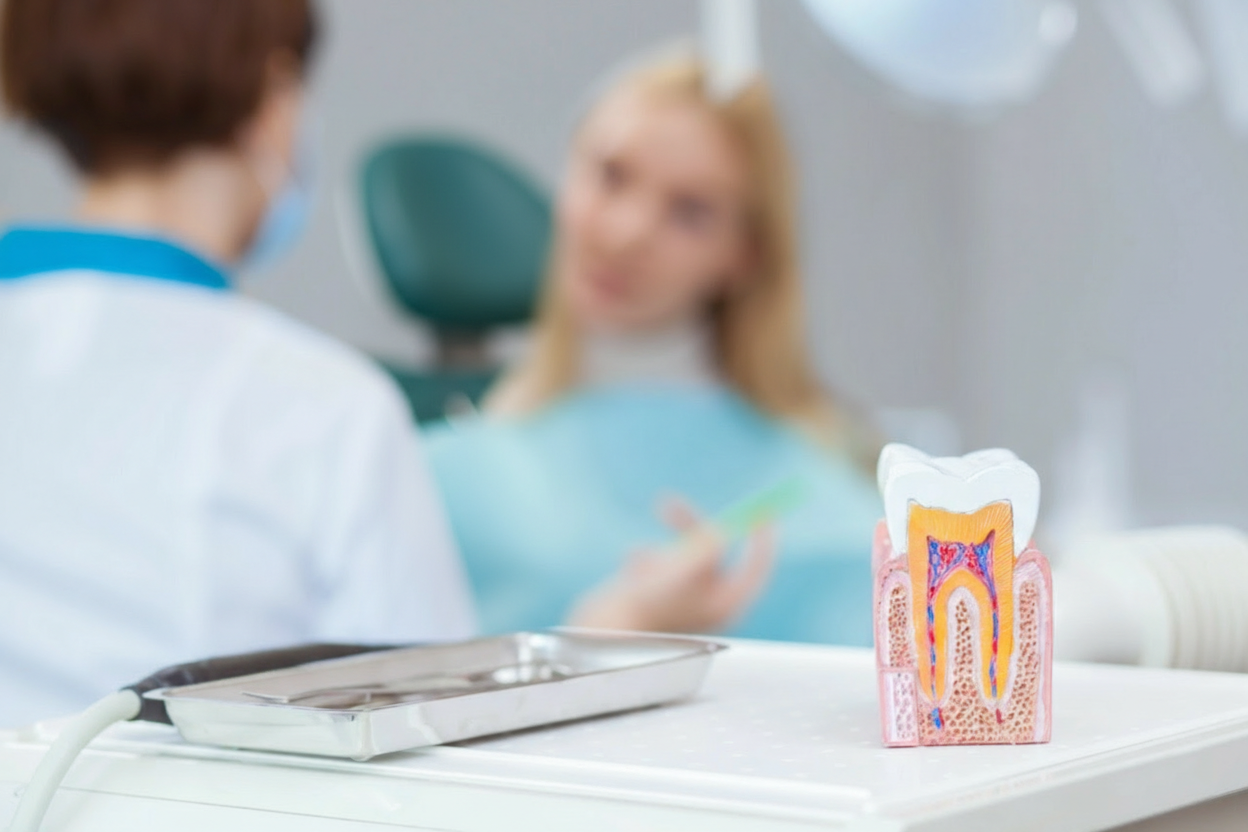
Wisdom teeth, also known as third molars, are the last teeth to develop, typically emerging between the ages of 17 and 25. For many people, there simply is not enough room in the jaw to accommodate these teeth properly, which can lead to pain, infection, crowding, and other serious dental problems. Wisdom teeth removal is one of the most common dental procedures performed, and when carried out with the right technology and care, it can be a smooth and manageable experience. At Georgetown Sleep Dentistry in Georgetown, Ontario, our dental team uses advanced 3D imaging and a full range of sedation options to make the process as comfortable and safe as possible.
Why Are Wisdom Teeth Often Removed?
Not everyone needs their wisdom teeth removed, but many people do. When these teeth do not have enough space to emerge correctly, they can cause a range of dental complications that worsen over time if left untreated.
Common reasons our dental team recommends wisdom teeth removal include:
- Impaction: The tooth is trapped beneath the gum or bone, either fully or partially, and cannot emerge in the correct position
- Crowding: Emerging wisdom teeth can push against neighbouring teeth, shifting your bite and undoing previous orthodontic work
- Infection: Partially erupted wisdom teeth create openings in the gum where bacteria can enter, leading to painful infections
- Decay: Wisdom teeth are located at the very back of the mouth and are difficult to clean thoroughly, making them highly susceptible to cavities
- Cyst formation: Impacted wisdom teeth can develop cysts around them, which may damage the surrounding jawbone over time
- Root resorption: Pressure from a wisdom tooth can affect the roots of adjacent teeth, causing lasting damage
Signs You May Need Your Wisdom Teeth Removed
Many patients do not realize their wisdom teeth are causing problems until symptoms become more noticeable. If you experience any of the following, it is worth speaking with our dental team at Georgetown Sleep Dentistry for an evaluation.
- Pain or stiffness in the jaw
- Swollen, tender, or bleeding gums at the back of the mouth
- Persistent bad breath or an unpleasant taste
- Difficulty opening your mouth fully
- Headaches originating near the jaw
- Shifting or crowding of your front teeth
These symptoms can indicate that a wisdom tooth is impacted, infected, or pressing against neighbouring teeth. Early detection leads to easier treatment and a smoother recovery.
Advanced 3D Imaging for Safer Extractions
One of the most important steps before any wisdom tooth extraction is detailed imaging. At Georgetown Sleep Dentistry, our team uses Cone Beam CT (CBCT) 3D scanning technology to capture a precise, three-dimensional picture of the teeth, roots, nerves, and surrounding bone before treatment begins.
This level of detail allows our clinicians to assess:
- The exact position of the wisdom teeth and how deeply they are impacted
- The proximity of the teeth to nearby nerves and sinuses
- The complexity of the root structure
- The density and quality of the surrounding bone
With this information in hand, our dental team can plan the procedure with great precision, reducing surgery time, minimizing the risk of complications, and setting the stage for faster healing. This is a significant advantage compared to relying on standard two-dimensional X-rays alone.
Sedation Options for a Comfortable Experience
One of the most common concerns patients have about wisdom teeth removal is anxiety around the procedure itself. At Georgetown Sleep Dentistry, patient comfort is a top priority. Our clinic offers multiple levels of sedation so that every patient can choose the option that best fits their needs and comfort level.
Local Anesthesia
Local anesthesia numbs the treatment area so you do not feel pain during the extraction. This is suitable for straightforward cases where the patient is comfortable being awake during the procedure.
Nitrous Oxide
Also known as laughing gas, nitrous oxide is inhaled through a small mask during the procedure. It produces a relaxed, calm feeling without putting you fully to sleep. The effects wear off quickly after the gas is removed, so most patients can drive themselves home afterward.
IV Sedation
IV sedation is administered directly into the bloodstream and produces a deeper state of relaxation. Patients often have little to no memory of the procedure afterward. This option is popular for those with moderate to significant dental anxiety or for more involved extractions.
General Anesthesia
For complex cases, Georgetown Sleep Dentistry offers general anesthesia administered by a board-certified anesthesiologist who is part of our clinical team. This provides hospital-level safety and monitoring right in our Georgetown, Ontario office, which is a rare and valuable feature in a dental clinic setting. General anesthesia is typically reserved for more complicated extractions or patients who require a higher level of sedation care.
What to Expect During Recovery
Recovery from wisdom teeth removal varies from person to person, but most patients begin to feel significantly better within a few days. Here are some general things to keep in mind during the healing period.
The First 24 Hours
Some swelling, mild discomfort, and light bleeding are normal in the hours immediately following the procedure. Our team will provide you with aftercare instructions before you leave the clinic. It is important to rest, keep your head elevated, and avoid strenuous activity during this initial period.
Eating and Drinking
Sticking to soft foods for the first few days helps protect the extraction sites while they heal. Avoiding hot liquids, straws, and very crunchy or hard foods during early recovery is generally recommended by dental professionals.
Oral Hygiene During Healing
Keeping the mouth clean during recovery is important for preventing infection. Our team will walk you through how to gently rinse and care for the extraction sites without disturbing the healing tissue.
Follow-Up Care
Our dental team will schedule a follow-up appointment to check on your healing and make sure everything is progressing as expected. Do not hesitate to reach out to us at any point during recovery if you have concerns.
Why Choose Georgetown Sleep Dentistry for Wisdom Teeth Removal?
Georgetown Sleep Dentistry is built around the idea that dental care should never feel intimidating. Our team combines advanced technology, a full spectrum of sedation options, and a genuinely patient-centered approach to make even complex procedures feel manageable.
With our CBCT 3D scanner for precise surgical planning and a board-certified anesthesiologist on staff for patients who need deeper sedation, Georgetown Sleep Dentistry offers a level of care and safety that sets us apart in the Georgetown, Ontario area. We also accept the Canada Dental Care Plan (CDCP), making treatment more accessible for eligible patients.
Book Your Wisdom Teeth Consultation Today
If you are experiencing jaw pain, swollen gums, or suspect your wisdom teeth may be causing problems, do not wait. Early evaluation makes a significant difference in treatment outcomes. Our dental team at Georgetown Sleep Dentistry is here to assess your situation and guide you through every step of the process.
Call us today at (289) 891-6669 or Book Online . We proudly serve patients in Georgetown, Ontario and the surrounding communities.


